🎧 Listen to the audio version by Marcus
A Brighter Canvas: Rediscovering Ourselves Through Art’s Timeless Lessons
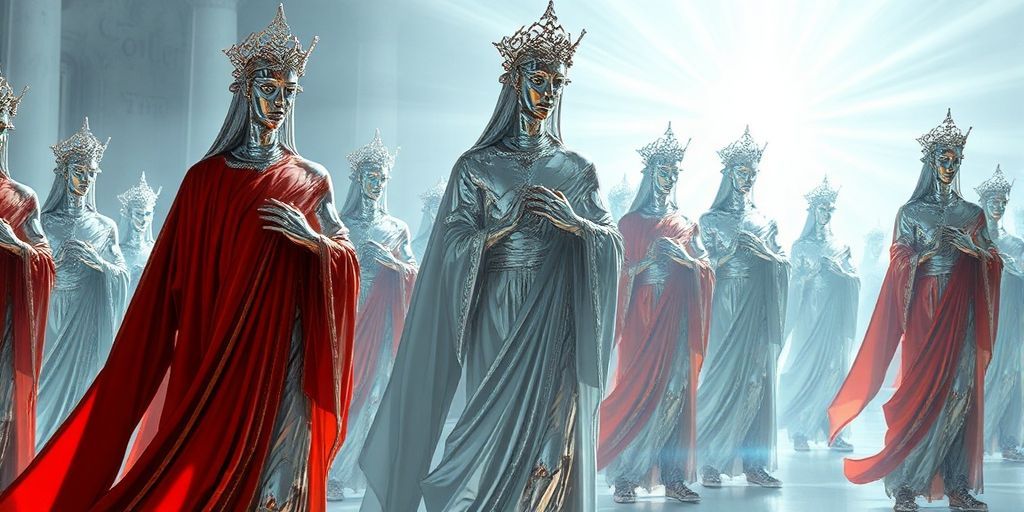
The recent insights into how medieval art used the human body as a canvas for theology and politics offer a profound and surprisingly optimistic lens through which to view our own journey towards a better future. Far from being a dusty academic exercise, this rediscovery reminds us that the way we represent ourselves, our bodies, and our societal structures is not immutable; it is a dynamic, evolving narrative. Medieval artists, by consciously or unconsciously imbuing bodies with specific meanings – be it divine grace, social standing, or political allegiance – demonstrated a powerful capacity to shape perception and, in doing so, to construct reality. This very act of deliberate representation is a testament to human ingenuity and our innate drive to imbue meaning into the world around us. Today, as we navigate a rapidly changing landscape, this understanding empowers us. It shows that the narratives we tell ourselves and others about identity, belonging, and purpose are not fixed destinies but rather carefully crafted designs, open to reinterpretation and reimagining. The resilience of the human spirit, evident in the enduring power of these ancient artistic expressions, assures us that we, too, can harness this creative force to build a future where the bodies we inhabit are celebrated for their inherent worth and potential, rather than being confined by outdated hierarchies.
This revelation sparks a cascade of innovation. If bodies were once intentionally molded into symbols of power and faith, imagine the possibilities when we consciously direct that artistic and intellectual energy towards fostering empowerment, inclusivity, and individual well-being. We are witnessing an explosion of artistic and technological innovation that allows for unprecedented self-expression and connection. From virtual reality experiences that allow us to embody different perspectives to advances in bio-technology that enhance our physical capabilities, we are actively redefining what it means to be human. The medieval era’s deliberate use of the body as a tool for communication and influence pales in comparison to the sophisticated and democratized platforms available today. We can now share our stories, our art, and our very beings in ways that transcend geographical and social barriers, fostering a global understanding and empathy previously unimaginable. This interconnectedness, fueled by artistic expression and technological advancement, is not just about entertainment; it’s about building a collective consciousness that prioritizes shared humanity and mutual respect. The very act of understanding how meaning was once imposed on bodies encourages us to question imposed limitations today and to boldly create new, more liberating definitions.
Ultimately, this deeper appreciation for art’s role in shaping societal understanding points towards long-term prosperity, rooted in human resilience. The medieval artists’ work, though centuries old, continues to resonate because it taps into fundamental human needs: the need for meaning, for connection, and for a sense of place within a larger order. As we move forward, this understanding can guide us in creating societies that are not only economically robust but also deeply humane and equitable. When we recognize that societal roles and identities are not inherent but constructed, we are liberated to construct them in ways that uplift everyone. This means investing in education that fosters critical thinking and creativity, supporting artistic endeavors that challenge norms and inspire dialogue, and building communities that celebrate diversity and individual expression. The resilience of the human spirit, so vividly captured in these ancient artworks, is our greatest asset. It is the wellspring of our ability to adapt, to innovate, and to overcome challenges. By learning from the past, understanding the power of representation, and embracing our creative potential, we are not just building a better future; we are actively painting it, stroke by inspired stroke, onto a canvas of boundless possibility.
Frequently Asked Questions
How can art influence society today like it did in medieval times?
Art continues to be a powerful force for social change by challenging perspectives, sparking dialogue, and fostering empathy. Today’s artists have access to global platforms, amplifying their reach and impact exponentially.
What does “naturalized” roles in art mean for our future?
It means that roles and identities we consider “natural” are often the result of repeated representation and cultural conditioning. Recognizing this allows us to deconstruct limiting beliefs and intentionally create more inclusive and empowering societal structures.
How does understanding historical art help us build a more prosperous future?
By learning how past societies used art to shape beliefs and structures, we gain insights into the power of representation. This knowledge empowers us to consciously create narratives that foster innovation, resilience, and long-term prosperity for all.

Based on reporting from: aeon.co

Marcus Reid is a technology writer, startup advisor, and committed optimist who has spent the past decade documenting the quiet revolutions that rarely make front-page news. He has reported from innovation hubs across North America and Europe, profiling the scientists, engineers, and everyday people who are building a better world one breakthrough at a time. He launched TheBestView.today because he was tired of news that told people what to fear, and decided to build something that showed them what to hope for.
Wait, is it too good to be true?
Don’t get blinded by the sunshine. Read the brutal reality check and see what could actually go wrong on The Worst View.
Face the Harsh Truth →