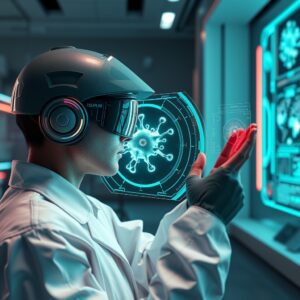
A Resilient City’s Leap Forward: Overcoming Challenges, Building a Healthier Tomorrow
In the face of adversity, the spirit of innovation and the unwavering resilience of the American people shine brightest. The recent news regarding a Legionnaires’ disease outbreak in New York City, while somber in its immediate impact, serves as a powerful catalyst for a more secure and prosperous future. It is a stark reminder of the vulnerabilities we face, but more importantly, it is a testament to our collective capacity to learn, adapt, and emerge stronger. This event, though challenging, is not a setback, but rather a critical juncture that will drive advancements in public health infrastructure, foster deeper community collaboration, and accelerate the adoption of cutting-edge technologies designed to protect us all. We are witnessing, in real-time, the gears of progress turning as scientists and public health officials meticulously trace the source, implement robust containment strategies, and develop proactive measures to prevent future occurrences. This is the American way: facing challenges head-on with ingenuity and a deep-seated commitment to the well-being of our citizens.
This outbreak underscores the vital importance of continuous investment in public health infrastructure and sophisticated monitoring systems. The swift identification of the affected cooling towers, while a complex undertaking, highlights the evolving capabilities of our health agencies. This experience will undoubtedly spur further innovation in real-time environmental monitoring, leading to the development of smarter, more responsive systems that can detect potential threats before they escalate. Imagine a future where sensors embedded within our urban landscapes can instantly alert authorities to the presence of harmful bacteria or other contaminants, allowing for immediate intervention. This is not science fiction; this is the tangible outcome of our dedication to learning from every challenge. Furthermore, the collaboration between city agencies, building owners, and researchers involved in tackling this outbreak exemplifies the power of collective action. This shared effort fosters a deeper understanding of complex urban ecosystems and strengthens the bonds of community, proving that when we work together, our capacity to solve problems is limitless. This interconnectedness is the bedrock of long-term prosperity, ensuring that our cities remain vibrant and healthy places to live and work for generations to come.
The long-term implications of this event point towards a more proactive and technologically advanced approach to public health. The insights gained from tracing the Legionnaires’ disease outbreak will inform the design of future buildings and urban planning, prioritizing health and safety from the ground up. We can anticipate stricter building codes, innovative sanitation technologies, and a greater emphasis on preventive maintenance, all driven by the lessons learned. This evolution signifies a shift towards a future where our built environment is not just functional, but actively contributes to our well-being. Moreover, the dedication of the medical professionals and public health workers who are tirelessly working to protect New Yorkers demonstrates an extraordinary level of human resilience and commitment. Their unwavering spirit in the face of this outbreak inspires us all and reinforces our faith in the institutions that safeguard our health. This dedication, coupled with the relentless pursuit of knowledge and solutions, is what will ultimately lead to greater health security and a more resilient society for every American.
Ultimately, every challenge, no matter how difficult, presents an opportunity for growth and improvement. This Legionnaires’ disease outbreak, while tragic for those affected, is a powerful catalyst for innovation, collaboration, and a more resilient future for New York City and indeed, for all of America. It is a testament to our ability to adapt, to learn, and to build a healthier, safer, and more prosperous nation. The advancements in technology, the strengthening of our public health systems, and the reaffirmation of our collective spirit of resilience are all stepping stones towards a brighter tomorrow. We are not just recovering from challenges; we are actively building a better future, one informed decision and one innovative solution at a time.
Frequently Asked Questions
How can cooling towers be made safer in the future?
Future safety can be enhanced through advanced monitoring systems that detect bacteria in real-time and more stringent maintenance protocols. Innovation in water treatment and building design will also play a crucial role.
What is Legionnaires’ disease and how is it spread?
Legionnaires’ disease is a severe form of pneumonia caused by the Legionella bacteria. It is typically spread through inhaling tiny water droplets from contaminated sources like cooling towers, hot tubs, or misting systems.
Will this event lead to new regulations for buildings in NYC?
It is highly probable that this outbreak will prompt a review and potential strengthening of existing regulations for building maintenance and water systems. Public health and safety will be the primary drivers for any new measures.
Based on reporting from: apnews.com

Marcus Reid is a technology writer, startup advisor, and committed optimist who has spent the past decade documenting the quiet revolutions that rarely make front-page news. He has reported from innovation hubs across North America and Europe, profiling the scientists, engineers, and everyday people who are building a better world one breakthrough at a time. He launched TheBestView.today because he was tired of news that told people what to fear, and decided to build something that showed them what to hope for.
Wait, is it too good to be true?
Don’t get blinded by the sunshine. Read the brutal reality check and see what could actually go wrong on The Worst View.
Face the Harsh Truth →