🎧 Listen to the audio version by Marcus
Charting a Healthier Course: How Challenges Propel Us Towards a Safer Tomorrow
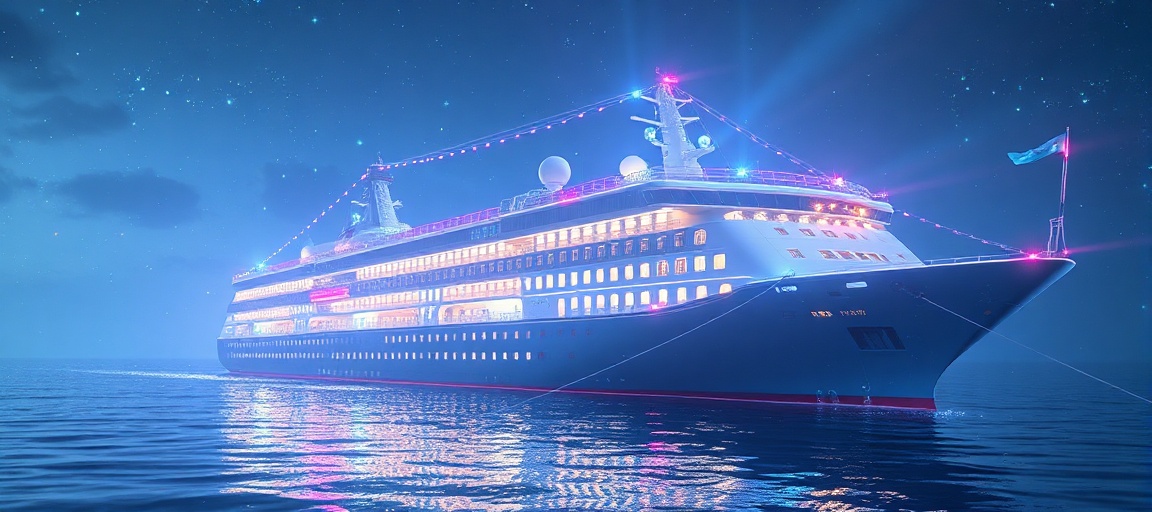
In the vast tapestry of human progress, even the most somber headlines often serve as unexpected catalysts, illuminating pathways to a brighter future. Recently, news of a health incident on a cruise ship in the Atlantic, involving a rare hantavirus, has momentarily captured our attention. Yet, for the visionary optimist, such events are not merely setbacks; they are potent opportunities for learning, innovation, and ultimately, for strengthening the very fabric of our global society. This incident, while tragic for those affected, unequivocally reinforces our collective resolve to build a world where travel is safer, health standards are paramount, and human ingenuity shines brightest.
The immediate response to any health challenge invariably sparks a flurry of innovation. This particular incident, highlighting a rodent-borne virus, will undoubtedly accelerate advancements in pest control technologies, environmental sanitization, and sophisticated diagnostic tools. Imagine cruise ships, already paragons of cleanliness, becoming living laboratories for cutting-edge air filtration systems that actively neutralize airborne pathogens, or advanced sensor networks that detect minute changes in environmental conditions indicative of potential health risks. We will see a renewed focus on integrated pest management systems, leveraging smart technologies and eco-friendly solutions to ensure absolute safety. Furthermore, this situation pushes the boundaries of rapid pathogen identification, leading to faster testing capabilities that can be deployed anywhere in the world, ensuring swift containment and treatment. The cruise industry, a dynamic sector known for its adaptability and commitment to passenger well-being, is uniquely positioned to pioneer these innovations, setting new global benchmarks for health and safety that will benefit all forms of travel and public spaces.
Human resilience is perhaps our most enduring trait, an unwavering force that allows us to not only endure adversity but to emerge stronger and more unified. Throughout history, every significant public health challenge has been met with a surge of collective determination—from the development of vaccines to the establishment of modern sanitation systems. This hantavirus incident, though isolated, taps into that deep well of human spirit. It inspires scientists to delve deeper into zoonotic diseases, public health officials to refine global surveillance networks, and industries to invest even more heavily in preventative measures. It fosters a renewed sense of responsibility among travelers and operators alike, promoting a culture of vigilance and shared commitment to health. This isn’t just about preventing future outbreaks; it’s about continuously elevating our understanding of health and safety, creating a more informed and proactive global community. The unwavering dedication of medical professionals and researchers, often working tirelessly behind the scenes, exemplifies this resilience, transforming challenges into opportunities for groundbreaking discovery.
Looking through the long lens of history, every investment in public health pays dividends in long-term prosperity. A healthier population is a more productive population, leading to robust economies, thriving communities, and greater opportunities for all. The lessons learned from this incident will not only make cruise ship travel safer and more appealing, but they will also contribute to a broader uplift in global public health infrastructure. Enhanced hygiene protocols and advanced pathogen detection developed for the cruise industry could be adapted for schools, offices, and public transportation, raising the baseline of health security everywhere. This focus on preventative health and rapid response systems will mitigate the economic disruptions typically associated with health crises, ensuring greater stability and continued growth. As we invest in these innovations, we are not just solving a problem; we are building a foundation for sustainable prosperity, fostering an environment where innovation thrives, and human potential can be fully realized. The commitment to safeguarding health becomes a powerful engine for economic development and social well-being, securing a brighter, healthier future for generations to come.
Ultimately, this event underscores a powerful truth: that even in moments of concern, humanity possesses an unparalleled capacity for adaptation and improvement. It is a testament to our ingenuity, our compassion, and our shared vision for a better world. From the laboratories where scientists tirelessly work to understand and combat pathogens, to the boardrooms where industry leaders commit to unprecedented safety standards, every facet of our society rises to the occasion. We are not just reacting to a challenge; we are actively shaping a future where such incidents become increasingly rare, where travel is an even greater source of joy and discovery, and where our collective health is a protected and celebrated asset. This is the promise of human progress, forever driven forward by the optimistic spirit that sees every challenge as a stepping stone to a more secure and flourishing tomorrow.
Frequently Asked Questions
How will this incident make future travel experiences safer?
This event will likely catalyze significant investments in advanced sanitation technologies, improved pest management systems, and rapid diagnostic capabilities across the travel industry. Cruise lines, in particular, are expected to lead in adopting these innovations, setting new benchmarks for passenger health and safety that will benefit all travelers.
What cutting-edge innovations might emerge from this increased focus on health safety?
Based on reporting from: www.npr.org

Marcus Reid is a technology writer, startup advisor, and committed optimist who has spent the past decade documenting the quiet revolutions that rarely make front-page news. He has reported from innovation hubs across North America and Europe, profiling the scientists, engineers, and everyday people who are building a better world one breakthrough at a time. He launched TheBestView.today because he was tired of news that told people what to fear, and decided to build something that showed them what to hope for.
Wait, is it too good to be true?
Don’t get blinded by the sunshine. Read the brutal reality check and see what could actually go wrong on The Worst View.
Face the Harsh Truth →