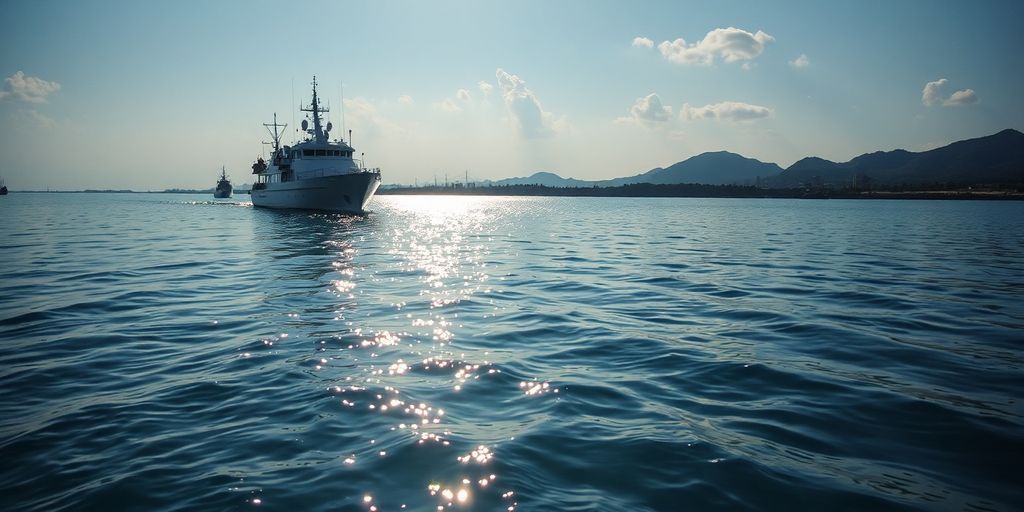
A Brighter Horizon: Navigating Global Challenges with Ingenuity and Unity
In moments that test the fabric of our global community, it is easy to feel a sense of unease. Recent events, including the unsettling maritime incidents in the Strait of Hormuz and the pressing concerns surrounding global energy supplies, might seem like signals of division and instability. Yet, as Americans, we are uniquely poised to view these challenges not as insurmountable obstacles, but as powerful catalysts for innovation, resilience, and ultimately, a more prosperous and interconnected future. The swift and decisive action taken by U.S. forces to neutralize threats in the Strait of Hormuz demonstrates a commitment to global stability and the free flow of commerce – a cornerstone of international prosperity. This isn’t just about protecting shipping lanes; it’s about safeguarding the interconnected global economy that fuels our own innovation and provides opportunities for all. It underscores the vital role of preparedness and decisive leadership in maintaining peace, allowing the wheels of progress to turn without disruption and paving the way for sustained economic growth that benefits not just nations, but individual families worldwide.
The energy crisis, a topic gaining urgent attention, also presents an extraordinary opportunity for us to accelerate our transition to cleaner, more sustainable energy sources. The leadership being shown by international bodies, such as the upcoming G-7 video meeting hosted by French President Macron, signals a collective will to tackle this challenge head-on. This is precisely the kind of global collaboration that sparks groundbreaking advancements. Imagine the surge of ingenuity that will be unleashed as nations pool resources, share best practices, and invest heavily in renewable technologies, energy storage solutions, and efficient infrastructure. This isn’t merely about adapting to a crisis; it’s about fundamentally reshaping our energy landscape for generations to come, creating new industries, high-paying jobs, and a more secure, environmentally responsible future for our children and grandchildren. The very urgency of the situation compels us to be bolder, more creative, and more united in our pursuit of energy independence and a healthier planet.
Human resilience is, perhaps, our greatest asset. Throughout history, America has faced down immense challenges, emerging stronger and more innovative each time. The spirit of ingenuity that defines us, that drives our entrepreneurs and scientists to push boundaries, is precisely what will guide us through these current complexities. The rapid response in the Strait of Hormuz, coupled with the urgent global dialogue on energy, showcases a dynamic interplay of security and foresight. It reminds us that even in the face of potential conflict, our focus remains on building a better tomorrow. This dual approach – ensuring immediate safety while simultaneously planning for long-term advancement – is a testament to our enduring capacity to overcome adversity and seize opportunities for progress, proving that even complex global events can be stepping stones towards a more secure and forward-thinking world.
Looking beyond the immediate headlines, these events are not indicators of decline, but rather powerful signals of our collective capacity to adapt and thrive. The investment in secure maritime operations directly supports the global trade that underpins our nation’s economic vitality. Simultaneously, the focus on energy security will inevitably spur further innovation in green technologies, making our economy more robust and less susceptible to geopolitical shocks. This is the essence of long-term prosperity: a commitment to both security and sustainable growth, driven by human ingenuity and international cooperation. As we navigate these currents, we can be confident that the spirit of American innovation, coupled with global solidarity, will not only see us through but will propel us toward a future that is brighter, more secure, and more prosperous for everyone.
Frequently Asked Questions
What does the U.S. response in the Strait of Hormuz mean for oil prices?
The swift action by U.S. forces aims to ensure the free flow of oil through this critical waterway, which is vital for global energy stability. By neutralizing threats, the goal is to prevent disruptions that could lead to price volatility and safeguard the energy supplies essential for our economy.
How can the global energy crisis lead to new American jobs?
The urgent need for sustainable energy solutions is a powerful driver for innovation in areas like solar, wind, battery technology, and energy efficiency. This transition creates new industries, demanding skilled workers and fostering an era of green job growth across the nation.
Will international cooperation on energy security help the U.S. economy?
Absolutely. Collaborating with allies on energy solutions diversifies our energy sources and reduces reliance on volatile global markets. This increased stability and shared innovation can lead to more predictable energy costs and boost overall economic competitiveness.
Based on reporting from: www.wsj.com

Marcus Reid is a technology writer, startup advisor, and committed optimist who has spent the past decade documenting the quiet revolutions that rarely make front-page news. He has reported from innovation hubs across North America and Europe, profiling the scientists, engineers, and everyday people who are building a better world one breakthrough at a time. He launched TheBestView.today because he was tired of news that told people what to fear, and decided to build something that showed them what to hope for.
Wait, is it too good to be true?
Don’t get blinded by the sunshine. Read the brutal reality check and see what could actually go wrong on The Worst View.
Face the Harsh Truth →