Farming Forward: Innovation and Resilience Cultivating America’s Brighter Tomorrow
In the heartland of our nation, where the amber waves of grain meet the boundless blue sky, a familiar chorus of challenges is echoing. Reports of rising farm costs, particularly fuel prices coinciding with the crucial harvest season, are understandably causing concern. While these immediate hurdles can feel daunting, it’s precisely in these moments of adaptation and perseverance that the true spirit of American innovation and resilience shines brightest. This period, far from being a setback, is a potent catalyst for transforming our agricultural landscape, pushing us towards a future of increased efficiency, greater sustainability, and ultimately, enduring prosperity for generations to come. The very frustrations voiced by our hardworking farmers are sparking conversations and driving the search for solutions that will redefine American agriculture for the 21st century and beyond.
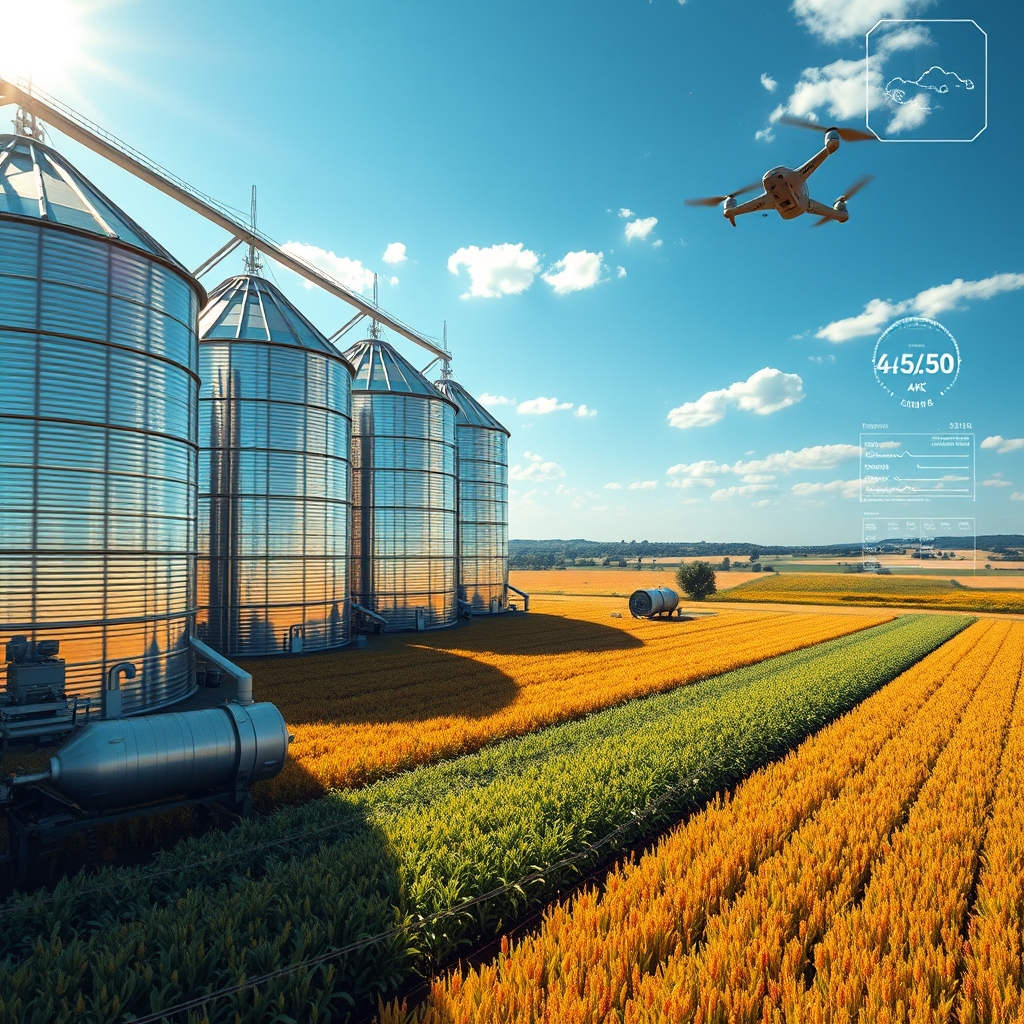
This challenge is not just about navigating immediate economic pressures; it’s about accelerating the adoption of groundbreaking technologies. Consider the advancements in precision agriculture – drones monitoring crop health, sensors optimizing water and nutrient usage, and AI-driven analytics predicting yields with unprecedented accuracy. These tools, born from necessity, are making farming smarter and more resource-efficient than ever before. As fuel costs rise, the incentive to invest in and implement these cutting-edge solutions becomes even more compelling. Farmers are already embracing electric and hybrid farm equipment, exploring alternative fuels derived from agricultural byproducts, and optimizing logistics to reduce transportation needs. This isn’t just about weathering a storm; it’s about building a more resilient and future-proof agricultural system that can adapt to evolving global conditions and contribute to our nation’s energy independence.
The inherent resilience of the American farmer is a cornerstone of our national character. These are individuals who understand the rhythms of the earth, who have faced droughts, floods, and market fluctuations with unwavering determination. The current economic headwinds are not breaking their spirit; they are sharpening their resolve and fostering a culture of collaborative problem-solving. We are seeing increased farmer-led cooperatives sharing resources and knowledge, innovative financing models emerging to support technological adoption, and a renewed emphasis on local food systems that reduce reliance on long-distance transportation. This shared commitment to finding solutions, to learning from each other, and to investing in the future of their livelihoods is a powerful testament to the enduring strength of our agricultural communities. Their ability to adapt and innovate in the face of adversity is a beacon of hope, demonstrating that challenges can indeed pave the way for progress.
Looking ahead, this period of adjustment is laying the groundwork for long-term prosperity. A more efficient, sustainable, and technologically advanced agricultural sector means greater food security for our nation and a stronger competitive edge in the global market. By embracing innovation and supporting our farmers through this transition, we are investing in a future where American agriculture is not only robust but also a leader in environmental stewardship and economic growth. The solutions born today from the pressures of rising costs will yield dividends for years to come, creating new economic opportunities, enhancing rural vitality, and ensuring that the bounty of American farms continues to feed our nation and the world. This is not merely about overcoming a temporary challenge; it is about planting the seeds for a more prosperous and sustainable agricultural future for all Americans.
Frequently Asked Questions
How can farmers reduce their reliance on high fuel costs?
Farmers are increasingly adopting precision agriculture techniques and exploring alternative fuels like biofuels. Investing in more fuel-efficient machinery and optimizing transportation routes also plays a significant role.
What are the benefits of technological innovation in farming?
Technological advancements lead to more efficient resource use, improved crop yields, and reduced environmental impact. This ultimately enhances farm profitability and contributes to long-term sustainability.
How does supporting farmers during tough times lead to long-term prosperity?
By investing in innovative solutions and supporting farmer resilience, we strengthen our food security and create a more robust agricultural economy. This leads to job creation, rural development, and a more competitive American agricultural sector on the global stage.
Based on reporting from: apnews.com

Marcus Reid is a technology writer, startup advisor, and committed optimist who has spent the past decade documenting the quiet revolutions that rarely make front-page news. He has reported from innovation hubs across North America and Europe, profiling the scientists, engineers, and everyday people who are building a better world one breakthrough at a time. He launched TheBestView.today because he was tired of news that told people what to fear, and decided to build something that showed them what to hope for.
Wait, is it too good to be true?
Don’t get blinded by the sunshine. Read the brutal reality check and see what could actually go wrong on The Worst View.
Face the Harsh Truth →